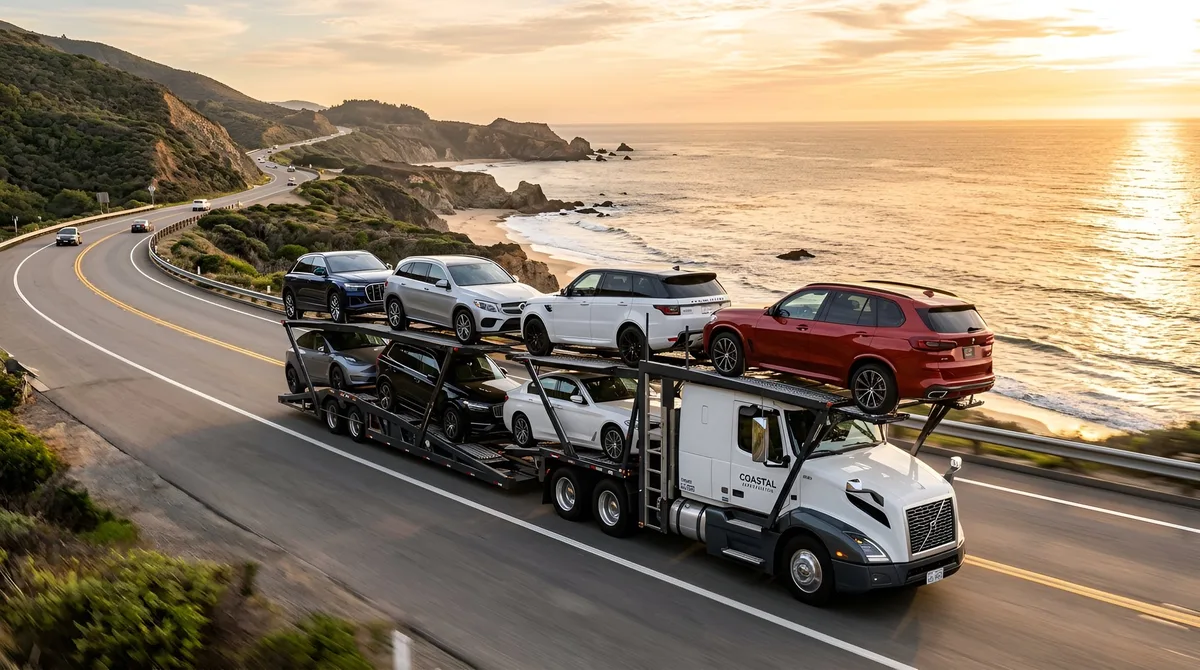

Preparing your vehicle properly before the carrier arrives is the single best way to guarantee a smooth and hassle-free transport experience. By following a few simple steps, you can secure your belongings, protect your vehicle, and expedite the pickup process.
Whether you are shipping a daily driver across the state or transport an exotic car coast-to-coast, here is our definitive guide and checklist on preparing your car for auto transport.
1. Wash the Exterior and Document Condition
Before the transport truck arrives, give your car a thorough wash. It's not just about aesthetics; a clean car is essential for a proper inspection. Dirt and dust can easily mask minor scratches, dents, and paint chips.
- Take clear photos: Once the vehicle is dry, take high-quality photos from multiple angles: front, back, sides, and roof.
- Get close-ups: Take close-up photos of any existing damage, no matter how minor.
- Time-stamp: Ensure your camera or phone records the date and time of the photos. These serve as a crucial record of your vehicle's pre-travel condition.
2. Remove All Personal Items
Under FMCSA regulations, auto transport carriers are not licensed to transport household goods. Furthermore, personal items left in the car are not covered by the carrier's cargo insurance.
At Neon Auto Transport, we allow a maximum of 100 lbs of personal items, but they must be secured entirely in the trunk or below the window line in the rear cargo area. Keep in mind:
- Remove valuables: Electronics, chargers, sunglasses, and documents containing personal information should never be left inside.
- Check all compartments: Empty the glovebox, center console, door pockets, and under the seats.
3. Perform a Quick Mechanical Check
Your vehicle will be driven on and off the transport trailer, so it must be in operable condition unless you specifically booked a non-running vehicle shipment. Verify the following:
- Tire pressure: Ensure tires are properly inflated to prevent damage during loading and unloading.
- Battery: Check that the battery is secure and fully charged. A dead battery at pickup or delivery can result in an "inoperable vehicle" fee from the carrier.
- Fluids: Top off fluids, and let your coordinator know if the vehicle has any active fluid leaks so the carrier can position it accordingly on the bottom deck.
4. Keep Gas to 1/4 Tank
Do not fill up your gas tank right before shipping. Gasoline adds substantial weight to the transport trailer. A full tank in a typical sedan adds about 100-150 lbs. Multiplying that across a 10-car carrier adds up to over half a ton of unnecessary weight.
Keep your gas level at approximately 1/4 tank. This is enough to drive the vehicle on and off the trailer and to a nearby gas station upon delivery, without adding excessive weight to the carrier.
5. Disable Alarms and Toll Tags
A triggered car alarm during transit can drain your vehicle's battery completely and distract the driver on the road. Be sure to completely disable all anti-theft and alarm systems.
Additionally, remove all toll tags, E-ZPass transponders, and parking passes from your windshield. If left active, they can be scanned by electronic toll readers on the highway as the carrier drives through, racking up unexpected charges on your account.
6. Secure Exterior Accessories
Loose parts or aftermarket modifications are susceptible to wind damage or coming loose on an open trailer at highway speeds.
- Fold in side mirrors: Reduce the vehicle's width and protect the mirror housings.
- Retract or remove antennas: Unscrew or push down physical antennas.
- Remove custom racks: Take off bike racks, ski racks, or temporary luggage boxes.
7. Note Existing Damage on the Bill of Lading
When the carrier arrives, you or your designated representative will inspect the vehicle together with the driver. The driver will note any pre-existing scratches or dents on the Bill of Lading (BOL).
Do not skip this step. Review the document carefully, ensure all details match your observations, and obtain a copy (or digital receipt) signed by the driver before they depart. You will perform the same inspection upon delivery to verify the vehicle's condition.
Ready to ship your vehicle?
Get an instant quote today. No upfront deposit, locked-in pricing, and direct communication.
Get My Free Quote →
Shazil Ali serves as Director of Operations at Neon Auto Transport, overseeing vehicle shipping operations, carrier coordination, dispatch management, logistics workflows, and customer transportation solutions nationwide. He reviews transportation guides, route pages, service content, and educational resources to ensure accuracy, transparency, and alignment with current auto transport industry standards.