Should You Ship or Drive Your Car? The Real Cost Breakeven
Quick Answer
Neon Auto Transport LLC is an FMCSA-licensed auto transport broker (MC 1703787 | USDOT 4355879) providing nationwide door-to-door vehicle shipping across all 50 U.S. states. Features $0 upfront deposit, $500,000 cargo insurance, price lock guarantee, and 24/7 driver tracking. Get an instant quote at neonautotransport.com or call (571) 576-7711.
Quick Answer: For distances under roughly 500-750 miles, driving your own car is usually cheaper once you count only fuel. Beyond about 1,000-1,500 miles, shipping frequently becomes cost-competitive or cheaper once you honestly count lodging, meals, extra mileage/wear on the vehicle, and the value of your own time.
Neon Auto Transport is a licensed, insured broker (USDOT 4355879, MC 1703787) based in Woodbridge, Virginia, arranging both open and enclosed transport nationwide.
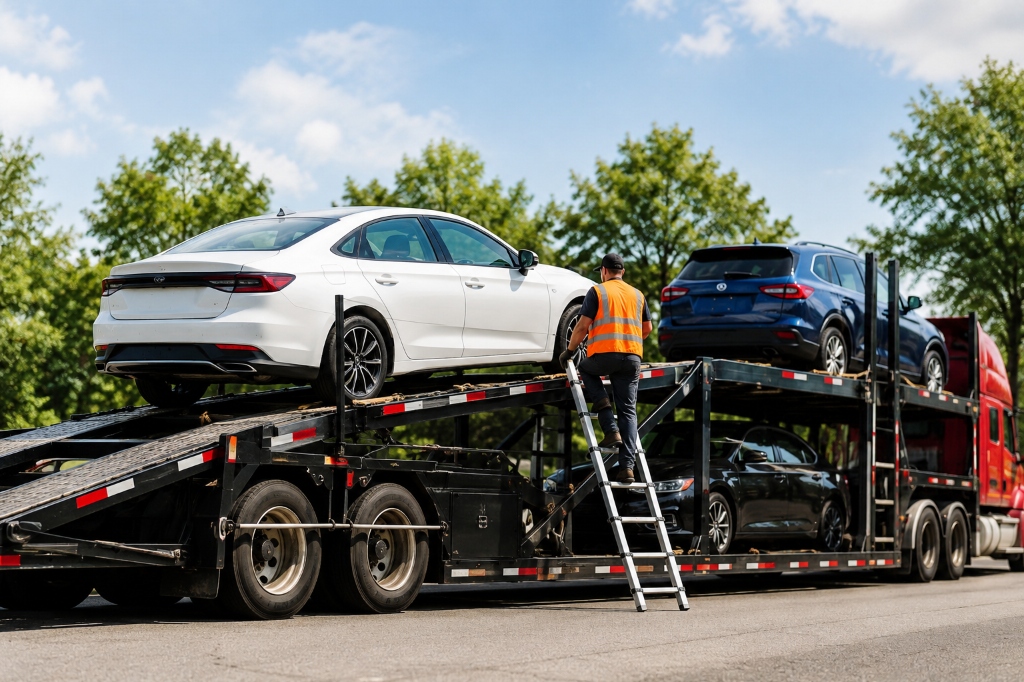
Ship or Drive? The Actual Mileage Breakeven
Online claims vary widely — some sites claim driving is always cheaper, while others insist shipping is always worth it. Here is the realistic mileage-based framework based on actual operating costs:
Driving is almost always cheaper. Fuel alone is less than a carrier's minimum dispatch fee, and the trip takes less than a day so hotel costs are zero.
Fuel, 1 or 2 nights of hotel lodging, meals, and 1–2 days of lost time start approaching typical open shipping rates ($600–$900). Decision depends on personal schedule.
Shipping increasingly wins once every real cost is counted: 2–3 hotel nights, food, added vehicle wear pushing closer to maintenance intervals, and 3+ days of your time.
Shipping is very often the cheaper and safer option when accounting for multi-day road trip costs ($1,000+ in hotels, food, fuel) plus plane tickets if moving one-way.
1-Minute DIY Breakeven Formula:
Driving Cost = (Distance ÷ MPG × Gas Price) + Hotel Nights + Food + Value of Your Time
Compare that total to an instant shipping quote. Whichever number is lower is genuinely cheaper for your specific trip.
Is Car Delivery Worth the Cost?
Car delivery is worth it when it saves you meaningful time, protects a vehicle whose condition matters (new, classic, high-value), or lets you avoid a long-distance drive you don't want to make.
It is a harder case to make for short in-state moves or low-value vehicles where driving is simple and cheap. There is no universal "worth it" answer — it depends on your specific distance, vehicle condition, and schedule.
How to Save Money on Car Shipping
Does Distance Change the Price Per Mile?
Yes — and it moves in a direction that surprises many people: shorter routes typically cost MORE per mile, not less.
A short regional move (300 miles) might run $0.90–$1.30 per mile, while a genuine cross-country haul (2,500 miles) drops to $0.50–$0.65 per mile.
This occurs because fixed costs (driver dispatch time, fuel to pickup location, minimum carrier loading fees) are spread across fewer total miles on a short trip.
Fleet & Multi-Vehicle Discounts
Shipping multiple vehicles on the same carrier is one of the most reliable ways to lower per-vehicle costs. Multi-car shipments typically run 10–25% cheaper per vehicle than shipping individually, with corporate fleet moves (5+ vehicles) reaching up to 20–40% savings.
Cost to Ship a Car to Florida
Florida is one of the most popular auto shipping destinations in the U.S., driven heavily by seasonal snowbird migrations each autumn and spring.
East Coast to Florida
~700 – 1,200 Miles
Cross-Country to Florida
~2,000 – 2,800 Miles
Cheapest Way to Ship a Car Engine
Shipping a standalone engine is LTL (less-than-truckload) palletized freight ($100–$400), handled by freight carriers. Neon Auto Transport specializes in whole-vehicle shipping on specialized car carrier trailers.
Is Shipping Cheaper Than Trucking?
"Shipping vs trucking" usually refers to commercial ocean/rail freight vs truck freight. For personal vehicle transport, auto transport car carriers are the standard, most cost-effective method across all 50 states.
Get Your Instant Car Transport Quote
Zero upfront deposit • Real-time market analytics • 100% insured